The most common bugs in Las Vegas are scorpions, spiders, cockroaches, crickets, ants, and mosquitoes, plus two pests that go after the house itself: termites and roof rats. Most of them are a nuisance. A few can hurt you, and two can cost you real money in repairs.
Below is the short list, how serious each one is, and where to go for the full answer on each.
What are the most common bugs in Las Vegas?
The bugs Las Vegas homeowners run into most are bark scorpions, black widows and other spiders, outdoor cockroaches, crickets, harvester ants, and mosquitoes. Termites and roof rats are less visible but do more damage. Irrigation is the common thread: watered yards give desert pests the water and food the open desert does not.
No public agency ranks Las Vegas pests by how often they show up. The list below comes from the pests local health and extension sources track and write about for Southern Nevada.
| Pest | Where you usually see it | Main concern | Full guide |
|---|---|---|---|
| Bark scorpion | Block walls, landscape rock, bathrooms and laundry rooms at night | Painful sting, serious for young children, older adults, and pets | Nevada scorpions |
| Black widow and desert recluse | Garages, block walls, woodpiles, stored boxes | Venomous bite, rare but real | Las Vegas spiders |
| Cockroaches | Water meter boxes, drains, garages; kitchens and bathrooms if they get in | Contamination and indoor allergens | Section below |
| Mosquitoes | Standing water, neglected pools, clogged gutters | West Nile virus | Section below |
| Harvester ants | Bare, cleared circles in gravel or lawns | Stings when the nest is disturbed | Section below |
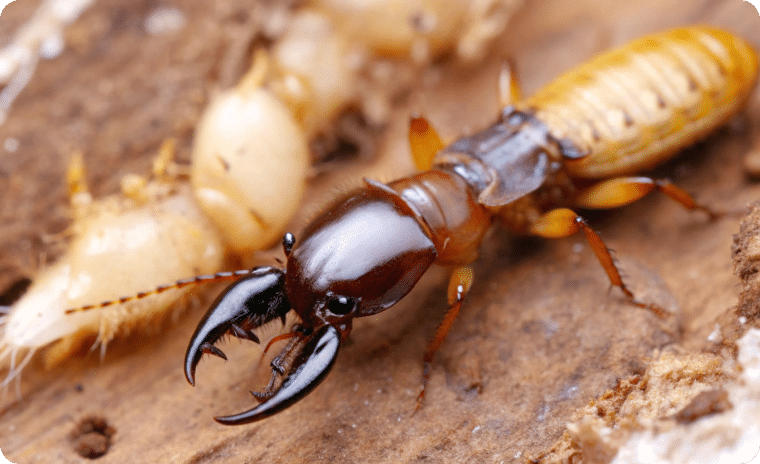
| Termites | Mud tubes on foundations, damaged wood near moisture | Structural damage | Termites in Las Vegas |
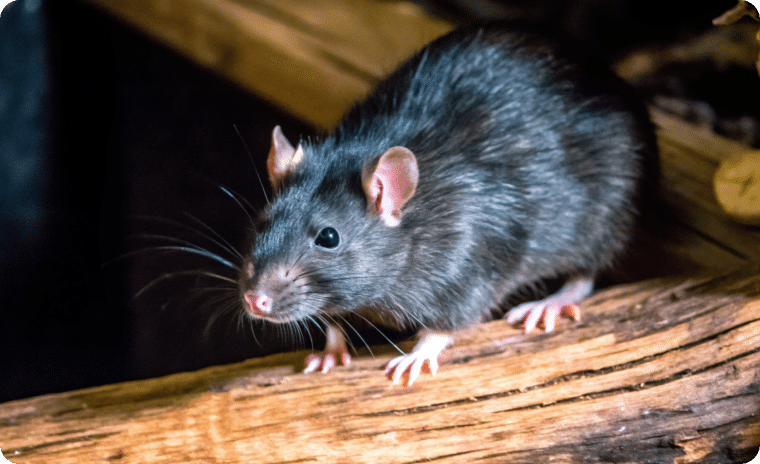
| Roof rats | Palms, fruit trees, block walls, attics | Disease risk, chewed wiring, contamination | Roof rats in Las Vegas |
Several of these are connected. Scorpions eat crickets and cockroaches, so a yard full of roaches tends to become a yard with scorpions. Fixing the water and harborage that feeds one pest usually cuts down the others.
Which bugs in Nevada are actually dangerous?
The bugs in Nevada that can cause real harm fall into three groups. Venomous pests: the bark scorpion, western black widow, and desert recluse. Disease carriers: mosquitoes, which spread West Nile virus in Clark County, and roof rats. And property destroyers: termites and roof rats. Everything else on the list is mainly a nuisance.
| Type of risk | Pests | What the risk looks like |
|---|---|---|
| Venom | Bark scorpion, western black widow, desert recluse | Stings and bites that can need medical care, especially for young children, older adults, and pets |
| Disease | Mosquitoes, roof rats | West Nile virus (mosquitoes); diseases the health district lists for rats and their parasites |
| Property damage | Termites, roof rats | Damaged wood framing; chewed wiring, insulation, and stored goods |
| Painful but minor for most people | Harvester ants | Stings similar to a bee sting when the nest is disturbed |
| Nuisance | Crickets, outdoor cockroaches, most spiders | Mess, noise, and food for the dangerous pests above |
For any sting or bite where you are worried, call Poison Control at 1-800-222-1222. Poison Control describes the service as free, expert, and confidential. For a pet, call your veterinarian or an emergency animal hospital.
Which venomous pests should Las Vegas homeowners know?
Three: the bark scorpion, the western black widow, and the desert recluse. All three hide by day in block walls, garages, and clutter, and all three are most dangerous to young children, older adults, and pets. Learning where they hide, and sealing the gaps they use, does more than any spray.
Bark scorpions
The bark scorpion is the one that matters. It is small, tan, climbs walls, and gets through gaps as thin as a credit card. Its sting can be serious for young children, older adults, and pets. Activity rises in late spring and summer, when the crickets and roaches it eats become active.
Many other desert scorpions are burrowers, and their stings usually cause local burning that fades in about 30 minutes. The bark scorpion does not normally burrow. It lives in groups, hides in block walls, and follows water into bathrooms and laundry rooms. The full guide, Nevada scorpions: which ones live in Las Vegas and which one matters, covers identification, the black light check, sealing, and when to call. For professional treatment, see Scorpion Control & Extermination.
Black widows and desert recluses
Two spiders matter: the western black widow and the desert recluse, which locals often call the “desert brown.” Clark County Vector Control has named them as the spiders of concern in the Las Vegas Valley. Both are shy, hide in undisturbed spots, and bite when pressed against skin. Most other spiders are harmless.
Wolf spiders, jumping spiders, cellar spiders, and even tarantulas look alarming but are low risk. The practical move is learning where the two dangerous ones hide (garages, block walls, stored boxes, patio furniture) and wearing gloves when you reach into those spots. The full guide, Las Vegas spiders: which ones are dangerous and where they hide, has an identification table and the signs that mean it is time to call. Treatment options are on Spider Control & Extermination.
Why do Las Vegas homes get cockroaches?
Outdoor cockroaches live in the warm, damp spaces Las Vegas has plenty of: water meter boxes, sewers, drains, and crawl spaces. They come out at night and wander inside, especially in heat. The species that live and breed entirely indoors, like the German cockroach, are a different and more serious problem, usually tied to kitchens and multi-unit housing.
University of California IPM’s cockroach guidance, written for California, splits pest cockroaches into two groups, and the difference changes what you do:
- Outdoor species that invade (American, Oriental, and Turkestan cockroaches). They live outside and wander in. Sealing gaps, adding door sweeps, and baiting water meter boxes and drains outside is the core of the fix.
- Indoor breeders (German and brownbanded cockroaches). They live and reproduce inside, in warm spots near food and water. UC IPM calls the German cockroach the most persistent and troublesome species. An adult can hide in a crack 1/16 inch wide, and one female and her offspring can produce more than 30,000 roaches in a year.
Two UC IPM points save homeowners the most wasted effort. Baits work better than sprays. And foggers, bombs, and aerosol sprays can scatter cockroaches into new areas without killing them. Gel baits can take seven days or longer to show results, so give them time. Our guide DIY pest control vs professional: the dangers of retail sprays explains why sprays so often backfire. For treatment, see Cockroach Control & Extermination.
Cockroaches matter beyond the gross factor. UC IPM notes that indoor cockroach allergens are a risk factor for asthma in children, especially in multi-unit housing.
Are mosquitoes a problem in Las Vegas?
Yes. Mosquitoes breed in standing water, and the Southern Nevada Health District considers West Nile virus endemic in Clark County. The first human cases and first positive mosquitoes were reported here in 2004, and the virus has been found in both people and mosquitoes every year since, except 2010.
West Nile virus spreads mainly through the bite of an infected mosquito. Mosquitoes pick it up from infected birds and pass it to people and animals. The health district runs a mosquito surveillance program and announces when trapped mosquitoes test positive each season. In 2024, it reported the first positive mosquitoes of the season by late May.
What actually reduces your risk, per the health district:
- Prevent bites. The health district calls this the most effective way to avoid West Nile virus disease.
- Remove standing water around your own home: plant saucers, buckets, clogged gutters, and anything that holds water for days.
- Report breeding sources you cannot fix. Stagnant water and green, neglected swimming pools can be reported to your local code enforcement agency.
What are the red ants that build bare circles in the yard?
If ants have cleared a bare, circular patch of soil in your gravel or lawn, you are likely looking at harvester ants. They are seed eaters that sting when their nest is disturbed. The sting feels similar to a bee sting. They do not invade homes, but they can be a problem in yards, gardens, and pet areas.
A University of Nevada, Reno Extension guide on harvester ants, written for northern Nevada homeowners, describes them this way:
- Size and color: 1/5 to 1/2 inch long, ranging from black to brown to red.
- The nest is the giveaway: a bare circle of soil that can reach 12 feet across and 3 feet deep, sometimes with a small mound of pebbles and sand.
- Long-lived colonies: a single colony can survive 15 to 20 years.
- Least active mid-day, because of the heat.
The Extension guide’s advice is honest and a little surprising: if possible, leave the nest alone. Harvester ants help disperse seeds and loosen soil. Remove the nest if children or pets use the area. Allergic reactions to the sting are uncommon but possible, so anyone allergic to bee or wasp stings should be careful. Lawn-labeled granular ant baits around the nest are one option, and results take about two weeks.
Other ants that come inside chasing food and water are a separate problem. See Ant Control & Extermination for how we handle them.
Which Las Vegas pests damage the house itself?
Termites and roof rats. Termites eat wood where moisture, soil, and wood meet, often out of sight. Roof rats nest in attics and chew wiring and insulation. Neither announces itself early, so both are worth a periodic look even if you have not seen the pest.
Termites. The desert is not too dry for them. Watered landscaping, plumbing leaks, and wood touching soil keep the ground damp beside foundations. Mud tubes on the foundation and piles of shed wings are the usual first signs. The full guide, Termites in Las Vegas: do desert homes really get them?, covers subterranean vs. drywood termites and what a home-purchase inspection checks. Service details are on Termite Control & Extermination.
Roof rats. The Southern Nevada Health District has documented roof rats in the valley since 1990. They live up high, in palms, fruit trees, and attics, and use block walls as travel routes. The full guide, Roof rats in Las Vegas: is it bad, and what should you do?, covers roof rat vs. Norway rat identification and the health district’s exclusion checklist. Service details are on Rodent Control & Extermination.
Which bugs are just a nuisance, and which are worth a call?
Most bugs you see in Las Vegas do not need a professional. A cricket in the garage or a cellar spider in a corner is normal desert living. The line is crossed when a pest can hurt someone in the house, damage the structure, or keeps coming back after you have fixed the obvious water and entry points.
Usually fine to handle yourself:
- An occasional cricket, beetle, or outdoor cockroach that wandered in
- Cellar spiders, jumping spiders, or wolf spiders out in the open
- A harvester ant nest in a corner of the yard nobody uses
- A few mosquitoes after you have dumped the standing water
Worth a call to a licensed company:
- Bark scorpions inside, more than once, or any scorpion in a home with a baby, older adult, or pets
- Black widows in areas where children play or where you reach without looking
- Cockroaches breeding indoors, especially in the kitchen
- Mud tubes on the foundation, shed wings on windowsills, or damaged wood
- Droppings, gnawing, or scratching in the attic or walls
- Any pest that keeps coming back after sealing and cleanup
Nevada requires pest control companies to be licensed through the Nevada Department of Agriculture. The Southern Nevada Health District specifically recommends using a licensed company for rodent control. When you do call, a good company should tell you what the pest is, where it is coming from, and what they will change around the house, not only what they will spray. Service coverage is on Las Vegas Pest Control.
Frequently asked questions
Does Clark County have West Nile virus every year?
Almost. The Southern Nevada Health District reports that West Nile virus has been found in both people and mosquitoes in Clark County every year since 2004, except 2010. It considers the virus endemic, meaning it is expected every season.
Who do I call about a neighbor’s green pool breeding mosquitoes?
Report it to your local code enforcement agency. The Southern Nevada Health District asks residents to report stagnant water, green swimming pools, and other mosquito breeding sources, and its mosquito surveillance program tracks activity across the valley.
Are harvester ant stings dangerous to dogs?
Harvester ants sting animals and people that disturb their nest, and the sting is similar to a bee sting. A University of Nevada Extension guide recommends removing nests in areas where pets spend time. If your dog is stung and reacts badly, call your veterinarian.
How long does a harvester ant colony last?
A single harvester ant colony can survive 15 to 20 years, according to University of Nevada Extension. That is why a mound tends to come back to the same spot year after year unless the colony is removed.
What is the difference between German and American cockroaches?
German cockroaches are small, live and breed indoors near food and water, and reproduce very fast. American cockroaches are much larger, about 2 inches long, live outdoors in drains and sewers, and wander inside. Indoor breeders usually need a different, more thorough treatment.
Do cockroach foggers work?
Not well. University of California IPM advises against foggers, bombs, and aerosol sprays for cockroaches because they can scatter roaches into new hiding spots without killing them. Baits placed near hiding areas work better, especially once food and water sources are removed.
Can cockroaches make asthma worse?
They can. University of California IPM reports that indoor cockroach allergens are a risk factor for developing asthma in children, especially in multi-unit housing, and allergen levels rise with the number of cockroaches present.
Who can identify a bug I found in Las Vegas?
University of Nevada Extension says help with identification is available from your local Extension office. Identify the pest before treating it. University of California IPM notes that correct species identification is what lets you choose the most effective control method.
What to do next
- Fix the water first. Leaky drip lines, overwatered beds, and standing water feed almost every pest on this list.
- Seal the gaps under doors, around pipes, and at the roofline. Scorpions, cockroaches, and rats all use the same kinds of openings.
- Keep block walls, woodpiles, and stored boxes tidy and wear gloves when you reach into them.
- Dump standing water wherever it collects, and report neglected pools to code enforcement.
- Check the foundation and attic periodically for mud tubes, droppings, and gnaw marks.
- Read the full guide for the pest you are actually seeing: scorpions, spiders, termites, or roof rats.
- Call a licensed company when a pest can hurt someone in the house, damages the structure, or keeps coming back. Request a quote from